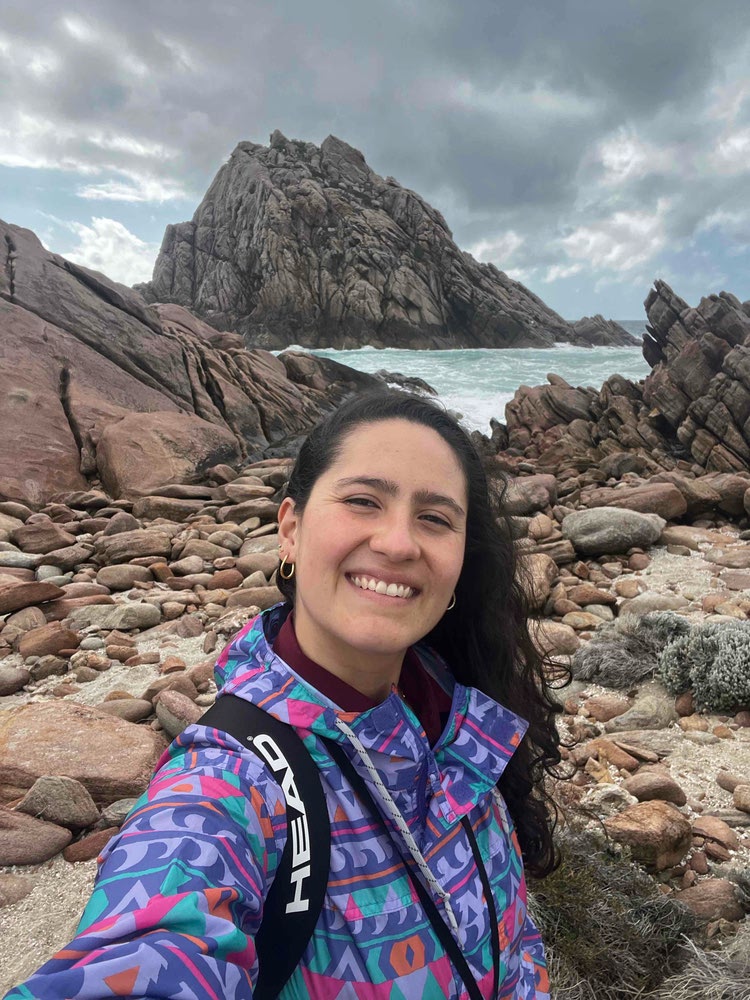
The goal of the Natural Resources Management major is to provide students with a broad-based understanding of the interconnectedness of social, political, and ecological systems. This knowledge will enable students to design sustainable solutions to address natural resource conservation and management problems. Students will learn about natural resource stewardship in both theory and practice, with an eye toward designing systems that are adaptable and resilient in light of the social and ecological complexity and change that characterize today's challenges. Using an integrative approach, students will learn how to develop local solutions that are sustainable and ethical at larger, global scales. Environmental issues such as land-use change and planning, conservation biology, energy use, climate change, renewable resource management, and citizen engagement in place-based conservation will be addressed. Field measurements and field skills are important components of this major, and students are required to attend a four-week summer field course in ecological investigations and resource management.
Specific objectives are to provide each student with:
a science-based core curriculum in biological, physical, and social sciences,
a broad foundation in natural resources science and environmental management, and
specialization in a subject relevant to natural resources management.
The breadth of the major allows students to specialize in a wide range of topics, including conservation biology, geographic information systems, forest management, rangeland ecology, restoration ecology, natural resource policy, recreation resources, watershed management, wildlife management, or other topics related to natural resources management. This specialization is accomplished by coupling the major with a required minor, typically declared by a student's junior year.
Students are encouraged to participate in internships and obtain related work experience. Participating in seasonal and voluntary work, internships, and cooperative education opportunities will enhance your chances for permanent full-time employment. The department offers numerous opportunities to become engaged in these kinds of endeavors. At the completion of the program, students should have the technical and communication skills that are critical to resolving important natural resource management problems.