In 1905, the Nelson Technical School opened its doors on Hardy Street, laying the foundations for what would eventually become NMIT. Designed by architect Stead Ellis and constructed under the leadership of John Scott Jnr, the school was built on land donated by the Nelson City Council at a cost of just £1124. Its purpose was to equip the community with practical skills for a stronger future, offering courses in cookery, engineering, woodwork, commerce, and plumbing—areas that reflected the needs of the era.
By 1930, the Nelson Technical School had merged with Nelson College, expanding its offerings to include part‑time hobby and vocational programmes. A significant milestone followed in 1971, when Nelson Polytechnic was officially established as a technical institute, marking the beginning of a new phase of applied education in the region.
Growing with the RegionFrom its inception, the institute focused on supporting Te Tauihu (the Top of the South) and its key industries. This commitment to industry‑aligned training remained strong over the decades. The 1980s and 1990s were characterised by notable growth, with campuses established in Tasman, Marlborough, and Motueka. Purpose‑built facilities also emerged, including the Ballinger Horticulture Centre in Blenheim, which opened in 1986.
In 1992, the institute introduced its first degree, the Bachelor of Commerce, and in 2000 adopted the name Nelson Marlborough Institute of Technology (NMIT) to reflect its broadened regional presence. The Richmond campus developed expertise in primary industries, while the Marlborough campus became a recognised hub for viticulture and wine, aviation engineering, and additional specialised fields.
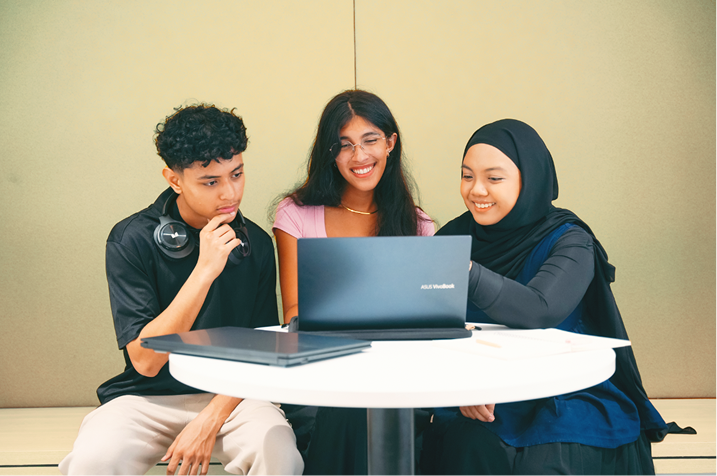
A Global PerspectiveFrom the mid‑1990s onward, NMIT began welcoming international learners from around the world. Its global partnerships now span numerous countries, including America, Brazil, China, Denmark, France, Germany, Italy, Japan, Mexico, the Netherlands, Norway, South Korea, Spain, and Sweden. These international connections enrich the educational experience for both domestic and overseas students, fostering a diverse, vibrant, and globally connected campus environment.
Visit the university website