
Guide to living in Hobart for international students
Topics covered
- 10 min
- Published: 19 May 2022
- Updated: 30 June 2026
Want to pursue a globally recognised degree while living between rugged mountains and picturesque waterfront views?
Hobart offers international students a unique study experience shaped by its natural beauty, affordability, and a relaxed pace of life. Known for its clean environment and friendly community, , the city provides a comfortable and welcoming place to live while you focus on your studies.
Compared to larger Australian cities like Sydney or Melbourne, the cost of living in Hobart is lower, especially for accommodation, food, and transport. This makes it an attractive option for students who want to manage expenses without compromising their quality of life.
In this guide, you will find everything you need to know about living in Hobart as a student, from student accommodation options and transport to part-time work opportunities and budget-friendly things to do. This will help you decide if Hobart is the right destination for your study journey.
Why Hobart appeals to students seeking a quieter lifestyle
With a population of around 240,000, Hobart is walkable, safe, and community oriented. Crime rates are low, locals are welcoming, and natural attractions are never more than a short bus ride away. For international students adjusting to life in a new country, that sense of safety and belonging can help you settle in more quickly . The main advantage is affordability. Most students spend around AUD 1,700 to AUD 2,800 (USD 1,260–1,960) per month on living costs, depending on their lifestyle.
The University of Tasmania (UTAS) is the main university in the city, with campuses in Sandy Bay and the CBD. It offers programs in marine science, environmental studies, health, and creative arts. TasTAFE provides vocational courses across Hobart.
Students also benefit from a supportive community and a lower cost of rent, food, and daily expenses.
Student Community
Join the IDP student community
Connect with peers and student ambassadors to hear real experiences, tips, and advise about studying broad.

Student life in Hobart: What to expect day to day
As a student in Hobart, your daily life is usually relaxed but active.
A balanced and manageable routine: Student life in Hobart is easy to manage, with shorter travel times and a slower pace compared to larger cities. A typical day often includes attending classes, studying at the library or a café, and spending time with friends, making it easier to maintain a healthy study–life balance.
A close-knit student community: With fewer students than big cities, it is easier to recognise familiar faces and build connections. University clubs, group projects, and campus events create regular opportunities to meet people and feel part of a supportive community.
Affordable and practical daily living: Students often cook meals at home to save money, while still enjoying occasional outings to cafés or markets. Daily expenses are generally lower, which reduces financial stress and allows for an affordable and comfortable lifestyle.
Easy access to nature and relaxation: One of the biggest advantages of living in Hobart is how close nature is. After classes, students can unwind with walks, short hikes, or visits to nearby parks and beaches, helping them relax and stay refreshed while studying.
Part-time work balance: Many students take up casual jobs with flexible shifts that fit around their class schedule. The short travel times in Hobart make it easier to manage work, study, and personal time without feeling overwhelmed.
Safe and comfortable living: Hobart’s low crime rate and calm environment help students feel secure in their daily routines. This makes it easier to travel, study, and explore the city with confidence.
Cost of living in Hobart
Living costs in Hobart are lower than the national average. Your monthly expenses will depend on your housing choice and lifestyle.
Monthly student cost guide
Expenses | Approx. Estimated Monthly Cost (AUD) |
Off-Campus Accommodation (shared/private) | $720–$1,400 |
On-Campus Accommodation | $900–$1,600 |
Groceries | $350–$500 |
Dining Out | $120–$250 |
Transport | $70–$120 |
Mobile Plan & Internet | $45–$90 |
Entertainment & Socialising | $100–$200 |
Study Materials | $50–$100 |
Clothes & Personal Care | $150–$300 |
Total Cost of Living with Off-Campus Accommodation (Per Month) | $1,450–$2,600 |
Total Cost of Living with On-Campus Accommodation (Per Month) | $1,700–$3,000 |
One-off arrival costs: Budget an additional AUD 1,500–2000 (USD ~1400) for your Overseas Student Health Cover (OSHC), a rental bond (typically 4 weeks’ rent) in your first month, household setup items, bedding, and kitchenware. These are separate from the monthly figures above.
Popular areas for student accommodation in Hobart
Student accommodation is generally more affordable than in other Australian cities, but demand can be high. It is best to apply early.
Common options include on-campus housing, purpose-built student accommodation, shared rentals, and homestays with local families.
Option | Weekly cost | Details |
On-campus (UTAS Sandy Bay) | AUD 292–315 | Utilities included, furnished, student community |
Jane Franklin Hall | AUD 522–651 | Includes meals, Wi‑Fi, heating, bus travel |
Purpose-built student accommodation | AUD 200–350 | Modern facilities, gyms, study spaces |
Shared private rental | AUD 150–280 | Most affordable, shared house/apartment |
Homestay is worth considering if you want a more supported transition into Australian life. IDP can help you find long-term student housing in Hobart according to your preference.
The most popular suburbs are:
• Sandy Bay: Closest to the main UTAS campus with green spaces and riverside views, popular for both on-campus and private rentals.
• North Hobart: Lively neighbourhood with excellent dining and cafe options; well connected to both campuses by bus.
• South Hobart: Quieter and community-focused; home to Jane Franklin Hall and close to nature reserves.
• Glenorchy: A budget-friendly option; reliable bus connections to the CBD campus.
Getting around Hobart
Getting around Hobart as a student is simple, affordable, and convenient. With free public transport, walkable streets, and reliable regional connections, daily travel is easy to manage. Most students can commute, explore, and run errands without needing a car.
Metro Tasmania buses
Public buses are free until June 2027, helping students save on daily travel. Routes connect UTAS campuses, the CBD, and suburbs. The Metro Tas app provides real-time updates, making it easy to plan trips to classes, work, and shopping areas.
Regional transport (Tassielink)
For trips outside Hobart, Tassielink and other regional buses connect students to towns and attractions across Tasmania. It is a budget-friendly way to explore the state on weekends without needing a car.
Walking
Hobart is compact and student-friendly, with many key locations like Salamanca, the waterfront, and the CBD within walking distance. Students often walk to classes, cafes, and shops, saving money while enjoying a safe and convenient way to move around daily.
Cycling
Cycling is a growing option in Hobart, with expanding bike lanes and safe routes across the city. It is a low-cost and eco-friendly way to travel, and many students use bikes for short commutes.
Part-time work options for students in Hobart
International students can work while studying, which helps with living costs and gaining local experience.
International students on a Subclass 500 Student Visa can work up to 48 hours per fortnight during semester and unlimited hours during official study breaks. Hobart’s hospitality, tourism, retail, and health sectors regularly hire casual workers. On-campus roles at UTAS offer flexible hours that work well around lectures and assignments.
Pay rates start from AUD 24.95 (USD ~16) per hour, with casual jobs often paying around AUD 31 (~ USD 20) per hour. Weekend shifts can pay more.
UTAS career services connect students with internship and vacation programs at organisations, including Deloitte, KPMG, TasNetworks, and the City of Hobart.
Things to do in Hobart on a student budget
Hobart offers many affordable activities. You do not need to spend a lot to enjoy the city.
Experience the Tamar Valley
Tasmania's beautiful Tamar Valley, about 2 hours from Hobart, is most accessible by car. It has some brilliant stops along the way, including lavender fields, wineries, art galleries, strawberry fields, and penguin lookouts. Little townships throughout the valley are what make this area especially charming. Consider stopping at one of the local pubs to experience the atmosphere.
Visit Port Arthur
Port Arthur is Tasmania's most visited tourist site, and for good reason. Now a World Heritage site, it features the remains of a colonial prison established in 1830 to house some of Britain's worst convicts when they arrived in Australia.
Camp in the wilderness
To make sure you enjoy Tasmania to its fullest, spend as much time as possible in nature. One great way of doing this is to go camping. Bay of Fires, located on the northeast coast, is a pristine beachside camping destination well worth visiting.
Museum of Old and New Art
Art and culture lovers will enjoy MONA (Museum of Old and New Art). While entry is not free, student discounts make it more affordable. Many students take the ferry from Brooke Street Pier, which is part of the experience. The museum also hosts festivals and events throughout the year, making each visit different.
Hobart waterfront and Sullivans Cove
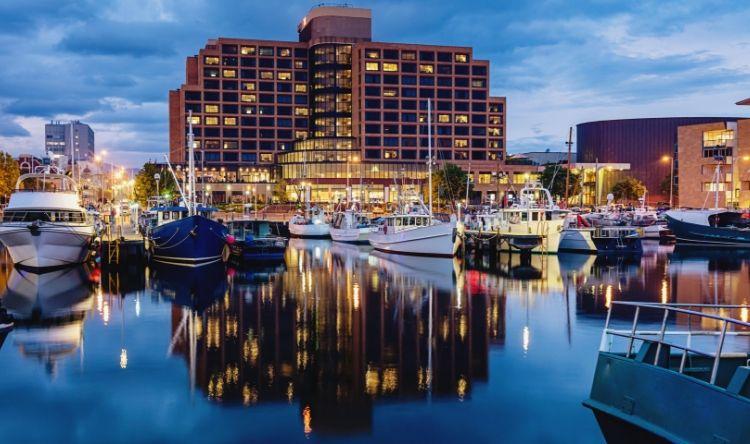
Closer to the city, the Hobart waterfront and Sullivans Cove are perfect for everyday outings. Students can walk along the docks, explore small markets, or simply enjoy the harbour views. It is a popular place to relax after classes or to meet friends in the evening.
UTAS sports and student clubs
On campus, UTAS sports and student clubs provide plenty of low-cost or subsidised activities. Whether it is joining a sports team, a cultural club, or a student community group, these activities help students stay active, make friends, and build a balanced lifestyle.
Overall, Hobart offers a wide range of affordable activities, allowing students to enjoy city life, nature, and culture without overspending.
Is Hobart right for your study goals
Hobart is a good choice if you want a affordable place to study amid nature. It is especially suitable for students who prefer a balanced lifestyle.
It is worth being realistic about what Hobart is not. As it is smaller than Sydney, Melbourne, or Brisbane, it has a more limited job market in some specialist fields and a quieter nightlife. Students who want a fast-paced urban lifestyle may find it less suitable.
If you value affordability and want a city where you can build genuine local connections while enjoying outdoor activities, culture, and community, over the pace and scale of a major metropolitan area, Hobart is a strong option to consider.
Ready to study in Hobart? Speak with an IDP counsellor to find the right course, confirm your eligibility, and get step-by-step guidance on making Hobart your next home.
One account for all your study abroad needs
Create your profile and unlock a wide array of features including personalised recommendations, fast-tracked applications and much more.


