


สถานที่
United Kingdom
คุณสมบัติ
Bachelor of Science (with Honours) - BSc (Hons)
ค่าธรรมเนียม
GBP18300
(2026)
ช่วงเวลา
3 Year(s)
ภาคการศึกษาใหม่
21.09.2026
คะแนนในการยื่นสมัคร
6
IELTSCOURSE_INFO
- ทุนการศึกษา ดูทุนการศึกษาทั้งหมด
- ฝึกงาน
ปิดรับสมัคร
ยังไม่มีวันกำหนดส่งใบสมัคร พูดคุยกับที่ปรึกษา IDP เพื่อขอข้อมูลเพิ่มเติม
Further information
If you aren't eligible for the above entry requirements, you might have a chance to explore pathway options at University of Lincoln. If you want to find out more, speak to our counsellors.
อันดับมหาวิทยาลัยชั้นนำของโลก
45th / 130
คู่มือแนะนำมหาวิทยาลัยนักเรียนของเราคิดเห็นอย่างไร
ยังไม่มีความคิดเห็นเกี่ยวกับสถาบันนี้
Chat to a student ambassador
Speak to IDP ambassadors today!

Dima Tokarenko

Aastha Paudel

Geraldine Penarete Vaquiro

Yumi Wan
Your study abroad community
Discover genuine experiences and practical tips from IDP student ambassadors and peers worldwide.

แนะนำสำหรับคุณ
- อันดับมหาวิทยาลัยชั้นนำของโลก:201
- Undergraduate
- Guildford , United Kingdom
- ภาคการศึกษาใหม่:28.09.2026
- คะแนนในการยื่นสมัคร: IELTS 6.5
- GBP27000 (2026)
- อันดับมหาวิทยาลัยชั้นนำของโลก:1201
- Undergraduate
- Stoke-On-Trent , United Kingdom
- ภาคการศึกษาใหม่:21.09.2026
- คะแนนในการยื่นสมัคร: IELTS 6
- GBP17085 (2026)
- อันดับมหาวิทยาลัยชั้นนำของโลก:1201
- Undergraduate
- South Wales , United Kingdom
- ภาคการศึกษาใหม่:14.09.2026
- คะแนนในการยื่นสมัคร: IELTS 6
- GBP14950 (2026)
- อันดับมหาวิทยาลัยชั้นนำของโลก:501
- Undergraduate
- Plymouth , United Kingdom
- ภาคการศึกษาใหม่:21.09.2026
- คะแนนในการยื่นสมัคร: IELTS 6
- GBP18100 (2026)
- อันดับมหาวิทยาลัยชั้นนำของโลก:56
- Undergraduate
- Manchester , United Kingdom
- ภาคการศึกษาใหม่:07.09.2026
- คะแนนในการยื่นสมัคร: IELTS 6.5
- อันดับมหาวิทยาลัยชั้นนำของโลก:601
- Undergraduate
- Lincoln , United Kingdom
- ภาคการศึกษาใหม่:21.09.2026
- GBP18300 (2026)
- อันดับมหาวิทยาลัยชั้นนำของโลก:601
- Undergraduate
- Lincoln , United Kingdom
- ภาคการศึกษาใหม่:21.09.2026
- คะแนนในการยื่นสมัคร: IELTS 5.5
- GBP16900 (2026)
- อันดับมหาวิทยาลัยชั้นนำของโลก:1001
- Undergraduate
- Preston , United Kingdom
- ภาคการศึกษาใหม่:14.09.2026
- คะแนนในการยื่นสมัคร: IELTS 6
- GBP17325 (2026)
- อันดับมหาวิทยาลัยชั้นนำของโลก:501
- Undergraduate
- Huddersfield , United Kingdom
- ภาคการศึกษาใหม่:21.09.2026
- คะแนนในการยื่นสมัคร: IELTS 6.5
- GBP17600 (2026)
- อันดับมหาวิทยาลัยชั้นนำของโลก:601
- Undergraduate
- Hatfield , United Kingdom
- ภาคการศึกษาใหม่:15.09.2026
- คะแนนในการยื่นสมัคร: IELTS 6
Your action plan
ขั้นตอน 1
Shortlist your courses
Choose the best three courses you’re most likely to pursue.
ขั้นตอน 2
Check your eligibility
Get an instant in-principle offer for courses with the IDP FastLane tag.
ขั้นตอน 3
Apply through IDP Live
Fill out the form once and use it to apply to multiple courses.
IDP FastLane ทำงานอย่างไร?
ด้วย 'ข้อเสนอตามหลักการ' ของ FastLane คุณจะรู้ได้ในไม่กี่นาทีว่าคุณจะได้รับการตอบรับหรือไม่!
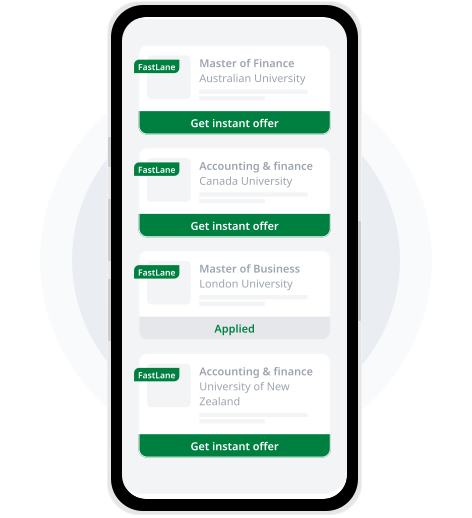 1
1เลือกสถาบันและหลักสูตร
 2
2สร้างประวัติการศึกษาของคุณ
 3
3ส่งใบสมัครของคุณเพื่อรับ 'ข้อเสนอในหลักการ'
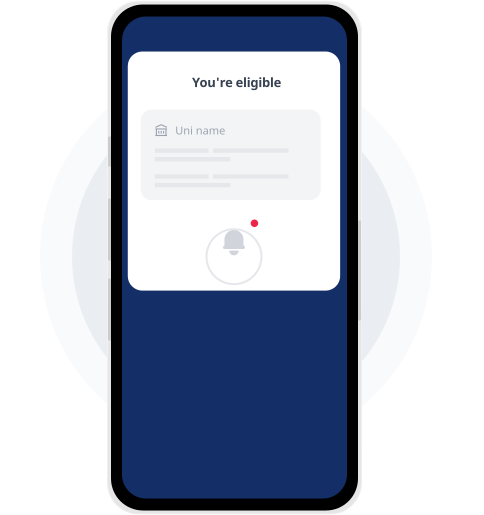 4
4สถาบันที่คุณเลือกจะส่งผลตอบรับถึงคุณภายในไม่กี่นาที!
 5
5เตรียมสมัครกับที่ปรึกษาผู้เชี่ยวชาญ