
Guide to living in Toronto for international students
موضوعات تحت پوشش
- 10 min
- Published: 28 August 2026
Can a city give you a world-class education, global career opportunities, and a sense of belonging all at once?
Toronto isn’t just a place to earn a degree, it’s a city where your academic, professional, and personal growth can happen simultaneously. From globally ranked institutions and thriving industries to vibrant neighbourhoods shaped by cultures from around the world, life in Toronto offers international students both opportunity and community.
Of course, studying and living in Toronto comes with practical considerations, including managing a higher cost of living. Still, for many students, the long-term benefits often outweigh the challenges.
This guide explores what it’s like to live in Toronto as an international student and what you can expect from Canada’s most dynamic city.
Living in Toronto Canada: City overview and lifestyle
As Canada’s largest city, Toronto offers a fast-paced urban lifestyle shaped by diversity, innovation, and opportunity. Whether your focus is academics, career-building, or experiencing life beyond campus, living in Toronto gives you the flexibility to do it all.
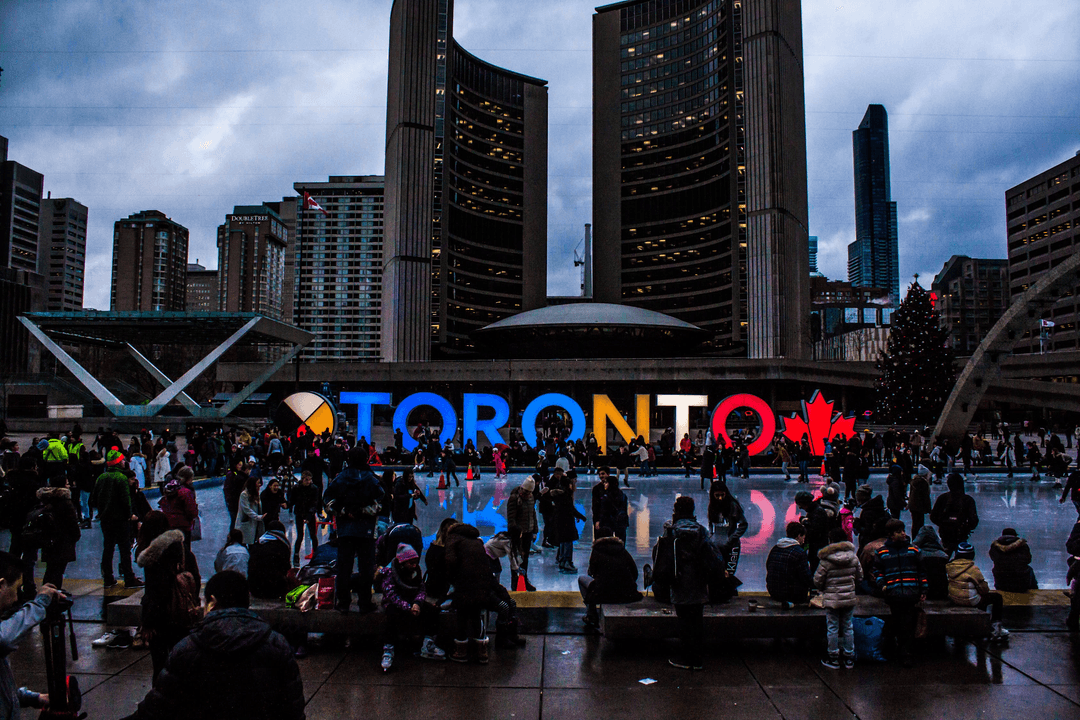
Multicultural neighbourhoods in Toronto: Often described as a “city of neighbourhoods,” Toronto is one of the world’s most diverse cities, with over half of its residents born outside Canada. Modern skyscrapers sit alongside historic districts, waterfront communities, and creative hubs. Neighbourhoods in Toronto, such as Chinatown, Little Italy, Greektown, Koreatown, and Queen West, offer distinct cultures, cuisines, and ways of life.
Career opportunities: As Canada's financial and commercial centre, Toronto offers strong employment prospects in finance, technology, media, healthcare, and professional services, making it attractive for students seeking internships and graduate roles.
Food and nightlife: The city’s global reputation for food means students can enjoy everything from affordable international street food to fine dining, alongside lively cafés, pubs, and entertainment venues.
Parks and outdoor spaces: Despite its urban setting, Toronto has over 1,500 parks, including High Park and the Lake Ontario waterfront, providing plenty of opportunities for walking, cycling, and recreation.
Arts and sports culture: Home to major sports teams and world-famous events such as the Toronto International Film Festival (TIFF), the city offers year-round cultural and entertainment experiences.
Student life in Toronto: Toronto combines the energy of a global city with the convenience of student-friendly amenities. From bustling downtown districts and waterfront attractions to local cafés and community events, students can enjoy a balance of academic, social, and recreational experiences.

Student Community
Join the IDP student community
Connect with peers and student ambassadors to hear real experiences, tips, and advise about studying abroad.

Cost of living in Toronto for students: How expensive is it?
Toronto is one of Canada's most expensive cities, particularly for housing. For many students, the key question is: Is Toronto expensive to live in? The answer depends on your accommodation choice and daily lifestyle.
Below is an estimated breakdown of the cost of living in Toronto for students. Costs may vary.
Expense Category | Typical Monthly Cost (CAD) | Typical Monthly Cost (USD)* |
Shared housing rent | CAD 500–1,200 | USD 361–868 |
Private housing rent | CAD 1,600–2,500+ | USD 1,158–1,809+ |
Utilities (electricity, internet, phone) | CAD 200–300 | USD 145–217 |
Food and groceries | CAD 250–480 | USD 181–347 |
Public transportation | CAD 80–160 | USD 58–116 |
Health insurance | CAD 50–120 | USD 36–87 |
Entertainment and personal expenses | CAD 100–300 | USD 72–217 |
Estimated Total | ~CAD 2,780 – 5,060+ | ~USD 2,011 – 3,661 |
Key things to know
Accommodation is the biggest expense, with private rentals in central Toronto costing significantly more than shared housing.
Choosing shared housing, cooking at home, and using public transport in Toronto can help manage monthly costs.
Many students consider on-campus housing in their first year, as it offers convenience and predictable expenses.
Monthly expenses typically range from CAD 1,200–2,600 (USD 853-1,852) for shared housing to CAD 2,200–3,900 (USD 1,650-2,793) for private rentals.
Where should you live in Toronto?
Choosing where to live can significantly shape your experience and the cost of living in Toronto. Whether you prefer the city centre or suburban living, Toronto offers a wide range of aaccommodation options for different budgets.
Areas in Toronto | Why live here | Best for | Rental costs | Commute and notes |
Downtown Student Hub (The Annex & Kensington Market) | Close to major campuses, packed with cafés, restaurants, study spaces, and student housing. | Students who want to be near campus and enjoy an active student community. | High | Walkable with excellent TTC connections and short commute times. |
Downtown lifestyle districts (Church-Wellesley Village, Little Italy & Queen West) | Vibrant neighbourhoods known for nightlife, dining, arts, and cultural attractions. | Students seeking a lively social life and urban experience. | Moderate to high | Well-connected by transit and close to downtown universities. |
Modern City Living (Liberty Village) | Modern condos, fitness facilities, and a young professional atmosphere. | Those seeking contemporary accommodation and a trendy, modern living environment. | High to very high | Good transit access but slightly longer commutes to some campuses. |
Green and Balanced living (High Park, Riverdale, Leslieville & The Beaches) | More relaxed communities with parks, waterfront access, and local cafés. | Students wanting a balance between city convenience and a quieter lifestyle. | Moderate to high | Reasonable transit connections to downtown and a more residential feel. |
Affordable urban suburbs (North York) | Residential area with shopping, dining, and comparatively affordable housing. | Budget-conscious students and those attending York University. | Moderate | Direct subway access to downtown, though commutes are longer. |
Campus-focused suburbs (York University Heights) | Student-oriented housing close to campus and lower rental costs. | York University students prioritising affordability and convenience. | Lower cost to moderate | Minimal commute to campus, but fewer entertainment options than downtown. |
Your choice of neighbourhood directly influences your lifestyle, commute, and overall cost of living in Toronto.
Getting around Toronto: Daily commute and transport costs
Toronto Transit Commission (TTC)
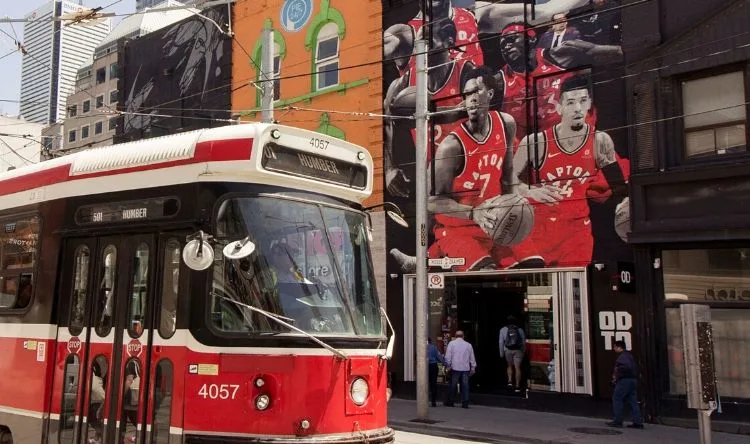
Living in Toronto is easy for students as it has one of North America's most extensive public transport networks. The Toronto Transit Commission (TTC) operates subways, buses, and streetcars across the city, while GO Transit connects Toronto with surrounding regions in the Greater Toronto Area (GTA). Most students use a PRESTO card to pay fares and access discounts.
A standard TTC fare costs approximately CAD 3.35 (USD 2.43) per trip, while eligible post-secondary students can purchase a discounted monthly pass for around CAD 128 (USD 92.75). A regular monthly pass costs about CAD 156 (USD 113.04). Cycling is another affordable option. To rent a bike in the city, you can use Bike Share.
With reliable public transit in Toronto and a growing network of cycling routes, many students find they can comfortably live and study without owning a car. Opting for a pass also helps students spend more on groceries and food while managing their cost of living in Toronto.
Streetcar
Similar to buses, these run every 10 minutes. However, they are restricted to the downtown core. The streetcars are much longer and can accommodate more people. This makes it easier to find a seat during peak hours.
You can use your PRESTO card for the subway, buses and streetcars. There is also the option to buy a one-year PRESTO pass, where you pay a one-time fee for unlimited trips for the year.
Drive
You can either drive yourself or hop in a taxi (or similar) to get around the city. Be mindful that longer journeys, especially when you are stuck in rush-hour traffic, means higher fares.
Bike
There are plenty of bike lanes throughout the downtown core. To rent a bike in the city, you can use Bike Share. There is an option to get a one-year pass and use bikes for unlimited trips. Bike Share stands are all across the city. If you see a stand, you can use the kiosk to rent a bike using your credit card. You will get charged for the time you use the bike. You are charged from the moment you leave one bike stand to when you dock your bike at the bike stand at your next destination. The one-year pass will make things a lot easier if you are a frequent cyclist.
Living in Toronto: Key challenges and things to consider
While Toronto offers excellent academic and career opportunities, it's important to understand some of the challenges that come with living in Canada's largest city.
High cost of living: Toronto is one of the most expensive cities in Canada. Rent, groceries, utilities, and entertainment can quickly add up, increasing your cost of living in Toronto. This makes budgeting an essential skill.
Competitive housing market: Finding affordable accommodation near campuses can be difficult, particularly before the start of an academic term. Many students choose shared housing to avoid the high rent in Toronto.
Longer commute times: Although public transit in Toronto is extensive, commuting from more affordable suburbs can take considerably longer during peak hours.
Cold winters: Students from warmer climates may need time to adjust to Toronto's snowy winters, shorter daylight hours, and sub-zero temperatures.
Balancing work and studies: The city's strong job market creates opportunities for part-time work, but managing employment alongside academic commitments can be challenging.
Large-city pace: Toronto is a busy, fast-moving city. The crowds, traffic, and constant activity can feel overwhelming for students coming from smaller towns or cities.
Financial planning: Beyond rent and tuition, students should budget for health insurance, winter clothing, transportation, and unexpected expenses.
Building a support network: Despite Toronto's diversity, adapting to a new country and culture can take time. Joining student groups, clubs, and community organisations can help ease the transition and create a sense of belonging.
The city's must-see attractions
Toronto Islands
A chain of 15 small islands located in Lake Ontario. You can take the subway to Harbourfront (Union Station) and take the ferry to visit the islands. The islands have a ton of activities including: an amusement park, lighthouse, beaches and farms!
Casa Loma
Located in mid-town Toronto, this Gothic style mansion is a must-see attraction. Many films and shows are filmed at this location, and it’s also a great place to stop by for a tour and walk around the outside premises. Casa Loma also makes for a great place for a spontaneous photo shoot with some friends.
Art Gallery of Ontario (AGO)
An art gallery in the downtown core, AGO always has new and exciting exhibits being showcased throughout the year. The gallery is home to 95,000 works of art and is one of the largest galleries in North America. If you’re in the area on a Wednesday night (between 6-9) you can visit for free! Or if you’re between the ages of 14-25 you can get into the AGO for free any day after 3 PM.
Ontario Science Centre
Most Torontonians will recognize this spot as the place where most field trips took place. It’s located in North East Toronto (Don Mills in North York), and is home to several shows, exhibitions, cool gadgets and an excessive amount of information.
CN Tower
Saving the best for last, this landmark is what defines this city on an international level. Wherever you go in Toronto, you can always spot the beautiful CN Tower. There are tours that take you up to the top of the structure. You can walk on the glass floor and look down at the buildings below you, you can eat at the infamous 360 restaurants at the top of the building and get this, you can walk on the outside of the CN Tower (Edge Walk)!!! Sounds crazy, but it’s actually a lot of fun.

How IDP can help
Whether you're just starting your study abroad journey in Toronto, IDP can support you every step of the way with:
Course and university selection based on your academic goals, budget, and career plans.
Application assistance to help you apply to suitable institutions with confidence.
Student visa guidance and support throughout the visa application process.
IELTS preparation and test booking services.
Scholarship information and advice on available funding opportunities.
Pre-departure support, including guidance on accommodation, budgeting, and settling into life in Canada.
Personalised counselling to help you make informed decisions at every stage of your study abroad journey.
Reach out to us today and take the next step towards studying and living in Toronto.
Explore other cities in Canada
با ساخت حساب کاربری تمام نیازهای مربوط به مهاجرت تحصیلی را رفع کنید.
با ساخت حساب کاربری به گزینههای متفاوتی از جمله پیشنهادهای ویژهی شخصیسازیشده، درخواستهای سریع پذیرش و موارد دیگر دست یابید.


