
A student's guide to living in Dublin

Topics covered
- 10 min
- Published: 31 August 2026
Living in Dublin offers international students a clear path to quality education, global career exposure, and a vibrant student lifestyle. As Ireland’s capital, the city combines historic charm with a modern economy, making it attractive to students seeking both academic and career growth. However, it is also one of the more expensive cities in Europe, especially for accommodation.
This guide explains what living in Dublin is really like, including costs, housing, transport, and daily life.
Why live in Dublin? What makes the city unique
Dublin is a vibrant, friendly, and historic city that welcomes thousands of international students every year. But what exactly makes living in Dublin so special?
First, the city offers a perfect mix of rich history and modern energy. You can walk through cobbled streets past beautiful old buildings and then turn the corner to find the European headquarters of huge global tech companies. This makes life in Dublin exciting, with easy access to future career opportunities.
Furthermore, Dublin is known for its friendly local people. As a student in Dublin, you will quickly feel at home because the locals are known for being warm, helpful, and approachable. Studying in Dublin also means you get access to some of the world's top-ranked universities and colleges, which offer strong support for international students. Overall, the unique combination of world-class education, a booming economy, and a safe, welcoming community make it an ideal destination.
Student Community
Join the IDP student community
Connect with peers and student ambassadors to hear real experiences, tips, and advise about studying abroad.

Cost of living in Dublin: What you will spend each month
Before you move, it is important to understand the cost of living in Dublin. Like many European capitals, living here can be expensive. However, with careful planning and budgeting, you can manage your money well and still enjoy a good quality of life.
Your largest expense will always be your housing. A typical student should budget around €500 to €700 (USD 570 – 800) per month for everyday living expenses excluding rent.
Expense | Estimated monthly cost in Euro | Estimated monthly cost in USD |
Accommodation | €800 to €1200 | $900 - $1300 |
Food and groceries | €350 to €500 | $400 - $570 |
Transport | €60 to €75 | $70 - $85 |
Utilities (Heating & Electricity) | €85 to €135 | $100 - $155 |
Mobile and internet | €30 to €45 | $35 - $50 |
Personal expenses | €80 to €120 | $90 - $140 |
TOTAL | €1405–€2075 | $1595–$2300 |
Accommodation in Dublin: Rent and housing options
Finding the right accommodation in Dublin is one of the most important tasks for any new international student. Because the city is popular, rent in Dublin is generally high and there is strong competition for rooms. It is highly recommended that you start looking for places early and use trusted sources. Students generally have the following accommodation options:
University accommodation
University accommodation is usually located close to campus, making it convenient for first-time students. It often includes utilities such as electricity and the internet, which makes budgeting easier. However, spaces are limited and not always available.
Purpose-built student accommodation (PBSA)
These are purpose-built buildings designed for students, offering furnished rooms and shared facilities. They provide comfort and convenience, and usually include utility bills, Wi-Fi, and sometimes gym access. However, they can be among the more expensive options.
Shared rental accommodation
Many students choose to share apartments or houses. This option gives you more independence and can reduce your rent, especially if sharing with multiple roommates. You will need to manage bills and responsibilities, but it is often the most flexible option.
Homestay
If you prefer a more supportive environment, homestays can be a good option. Living with a local family can help you adjust more easily and meals may be included.
Rent in Dublin varies depending on location and type of housing. Properties in the city centre and near universities typically cost more. Before finalising any accommodation, always verify the listing, visit the property if possible, and avoid paying deposits without proper confirmation.
Best areas to live in Dublin
Choosing the right area is important because it affects your daily routine, travel time and overall experience. Different neighbourhoods in Dublin offer different advantages.
City centre
The city centre is the most convenient location. You will be close to universities, shops, and social activities. However, this convenience comes with higher rent and a busier environment.
Rathmines and Ranelagh
Rathmines and Ranelagh are popular among students because they offer a good balance between lifestyle and connectivity. These areas have many cafés, restaurants, and shops, and they are well served by public transport.
Drumcondra
Drumcondra is another student-friendly area, especially if your university is nearby. It is quieter and more residential, making it suitable if you prefer a calmer study environment.
Phibsborough
Phibsborough has become increasingly popular in recent years. It offers good transport links, a growing student community, and relatively more affordable housing compared to central areas.
Blackrock and Sandyford
If you are studying outside the city centre, areas like Blackrock and Sandyford may be suitable. These places often have modern housing and are well-connected by tram or train.
When selecting an area, consider your daily commute, budget, and personal preferences. A slightly longer commute may help reduce rent, which is an important factor for many students.

Getting around Dublin
Dublin is a relatively compact city, so you will find it easy to get around. Many students prefer walking for short distances, especially between campus, accommodation, and the city centre. Others choose second-hand bicycles, as Dublin has plenty of dedicated cycle lanes that make cycling a safe and affordable option.
For longer journeys, public transport in Dublin is reliable and well-connected. The most common way to travel is by Dublin city bus. These yellow and blue double-decker buses cover most parts of the city and surrounding suburbs, making them a convenient choice for daily commuting.
Luas tram: A fast and efficient tram system with two main lines, Red and Green, connecting key city areas
Dublin Area Rapid Transit (DART): A coastal train service that runs along the scenic Irish Sea, ideal for both commuting and weekend trips
To save money on transport, every international student should get a Student Leap Card. This smart card gives you big discounts on Dublin city bus, Luas, and DART fares. You just tap the card when you get on and off, making commuting very simple and affordable.
Things to do in Dublin: Lifestyle, activities and food
Student life in Dublin goes beyond attending lectures and studying in the library. The city offers a vibrant, social, and cultural experience.
If you love history and culture, you can visit amazing places in Dublin like the National Museum of Ireland or the National Gallery, which are completely free to enter. You can also explore the famous Trinity College campus or visit Dublin Castle.
Dublin also offers a vibrant food scene and lifestyle. You can try traditional Irish dishes, like a warm Irish stew in a cozy local pub. However, as Dublin is so multicultural, you will also find authentic food from all over the world, including a wide range of Asian, South American, and Middle Eastern restaurants. Enjoying the local cafes and live music venues is a popular activity among students.
Luckily, you never have to go too far from Dublin to find some beautiful nature. So, here are countless things to do in Dublin to suit every interest and budget:
Experience Gaelic Games
Learn all about Ireland's ancient national sports, hurling and Gaelic football, in the best way possible by taking part in a game.
With Experience Gaelic Games, you'll watch an audiovisual intro into how the Gaelic games are played before trying your hand and competing against your friends. They're an integral part of Irish culture, and if you like what you see you might even decide to join your college club, or at least go along to watch a match from the side lines.
Rent a bike in Phoenix Park
Home to both the President and more than 500 wild deer, the Phoenix Park is the biggest urban park in Europe and the perfect place to spend a few hours on its 14km of cycle paths.
Bike rental starts from €6 including a helmet, and while there are cafes in the park, you can save a few pennies by bringing your own picnic to enjoy on the grass on a nice sunny afternoon. You'll feel a million miles away from the city.
Ericsson Skyline Tour Croke Park
With your newfound knowledge of Irish sports, head to Croke Park, Dublin's 80,000-person capacity GAA (Gaelic Athletic Association) stadium for the highest open viewing platform in the city.
Enjoy panoramic views of the city out to the sea from 17 stories high on the rooftop walkway. There's a platform suspended over the pitch and multilingual audio guides available. It's not for the faint-hearted and make sure you don't forget your camera.
Powerscourt Gardens and Cool Planet Experience
Both spots are just a 30-minute drive away from the city centre in County Wicklow. The grounds on the sprawling estate span 47 acres with stunning walled gardens and plenty of quiet areas to relax surrounded by nature. Student entry is €8.50.
While you’re there, check out the Cool Planet Experience. It’s Ireland’s first climate action experience - an immersive learning journey through the science of climate change and how we can help. Student tickets cost €7.50.
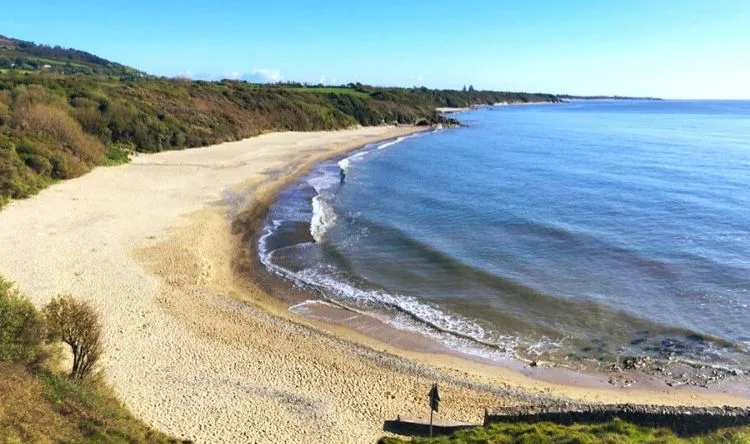
Ballymoney Blue Flag Beach
Near Gorey, in County Wexford, is a beautiful stretch of sandy beach just over an hour’s drive from Dublin. Head to Courtown Adventure and grab a Tower Ticket for €21 which includes aerial trekking, a climbing wall and 150m long zip wire and makes for one of the most exciting day trips.
For a more chilled afternoon, take a walk around Gorey Town and visit Zozimus, a charming second-hand bookshop, then stop for coffee and cake at Wexford Lavender Farm Café.
Bray or Greystones
Take the DART (Dublin rail) out to either of these places and take the marked cliff walk 7km along the coastal path between the two beach towns.
Keep your eyes peeled for porpoises swimming off the rocks and stop for lunch at The Happy Pear, a vegetarian restaurant.
Cliffs of Moher
For something further afield, Paddywagon run day trips from Dublin to the world-famous Cliffs of Moher on the west coast of Ireland. As well as the stunning sea cliffs, you’ll also visit The Burren, Doolin and Bunratty Castle for short stops along the way.
Sit back on the bus journey and use the onboard WiFi if you’ve got any college deadlines hanging over you. The return trip ticket price is €45 for students.
Belfast
The train from Dublin to Northern Ireland’s capital, Belfast, takes just two hours from Connolly Station and brings you right into the city.
Visit the Titanic centre, jump on one of the many Game of Thrones tours or learn more about Belfast’s history on a Black Taxi Tour.
In the evening, check out some comedy at The Empire Laughs Back Comedy Club with £7 student tickets or find out what concerts are on at the Belfast SSE Arena.

Interpreting things Dubliners say
While English is spoken in Dublin, local slang can be confusing at first. Here are a few common phrases to help you settle in.
“What’s the story?” or “story?”
Means “how are you?” or “what’s going on?” You do not need to give a detailed answer.“What’s the craic?”
Another way to ask what’s happening or if there is any fun. A simple “grand” (fine) is a common reply.“Grand”
A very flexible word that means “good”, “okay”, or “not bad”. It is also used to politely refuse something.“Come here to me”
Means “listen” or “I want to ask you something”. It is not about physical distance.“Yer man” and “yer wan”
Used to refer to someone whose name you do not know.Nicknames
Dubliners often shorten names or add an “o”, such as “Aido” for Aidan or “Crossy” for Crosse. Even famous places have nicknames, like the Spire being called “the pole in the hole”.
Getting used to these phrases will help you understand conversations and feel more connected to local life in Dublin.
Speak to an IDP counsellor
Making the decision to study abroad can feel complex, but you do not have to do it alone. An IDP counsellor can help you understand your options and plan your next steps with confidence.
Speak to an IDP counsellor to:
Explore courses and universities in Dublin
Understand the cost of living and student life
Get support with your application process
Start your journey with expert guidance and take the first step towards studying in Dublin.
One account for all your study abroad needs
Create your profile and unlock a wide array of features including personalised recommendations, fast-tracked applications and much more.


