


Location
United Kingdom
صلاحیت
MSc - Master of Science
شهریه ها
GBP39800
(2026)
مدت زمان
1 Year(s)
پذیرش بعدی
28.09.2026
امتیاز ورود
6.5
آیلتسCOURSE_INFO
- کمک هزینه تحصیلی کمک هزینه ی تحصیلی
- دوره های کارآموزی
نیازمندی های ورود به UCL (University College London)
ددلاین اپلیکیشن
26/06/2026
Further information
If you aren't eligible for the above entry requirements, you might have a chance to explore pathway options at UCL (University College London). If you want to find out more, speak to our counsellors.
رتبه جهانی
22nd / 1250
رتبه جهانیدانش اموزان ما چگونه فکر می کنند؟
هنوز نظری در مورد این موسسه دریافت نکرده ایم
Chat to a student ambassador
Speak to IDP ambassadors today!

Dima Tokarenko

Aastha Paudel

Geraldine Penarete Vaquiro

Yumi Wan
Your study abroad community
Discover genuine experiences and practical tips from IDP student ambassadors and peers worldwide.

پیشنهادات برای شما
- رتبه در سطح جهان:301
- Postgraduate
- Dundee , United Kingdom
- پذیرش بعدی:21.09.2026
- امتیاز ورود: آیلتس 6
- GBP21900 (2026)
- رتبه در سطح جهان:301
- Postgraduate
- Swansea , United Kingdom
- پذیرش بعدی:12.10.2026
- امتیاز ورود: آیلتس 6.5
- GBP23050 (2026)
- رتبه در سطح جهان:144
- Postgraduate
- Newcastle Upon Tyne , United Kingdom
- پذیرش بعدی:21.09.2026
- امتیاز ورود: آیلتس 6.5
- GBP26500 (2026)
- رتبه در سطح جهان:84
- Postgraduate
- Glasgow , United Kingdom
- پذیرش بعدی:21.09.2026
- امتیاز ورود: آیلتس 6.5
- GBP27720 (2026)
- رتبه در سطح جهان:29
- Postgraduate
- Edinburgh , United Kingdom
- پذیرش بعدی:14.09.2026
- امتیاز ورود: آیلتس 7
- GBP32000 (2026)
- رتبه در سطح جهان:80
- Postgraduate
- Bristol , United Kingdom
- پذیرش بعدی:21.09.2026
- امتیاز ورود: آیلتس 6.5
- GBP32600 (2026)
- رتبه در سطح جهان:29
- Postgraduate
- Edinburgh , United Kingdom
- پذیرش بعدی:14.09.2026
- امتیاز ورود: آیلتس 7
- GBP33200 (2026)
- رتبه در سطح جهان:118
- Postgraduate
- Leeds , United Kingdom
- پذیرش بعدی:28.09.2026
- امتیاز ورود: آیلتس 6.5
- GBP33500 (2026)
- رتبه در سطح جهان:56
- Postgraduate
- Manchester , United Kingdom
- پذیرش بعدی:14.09.2026
- امتیاز ورود: آیلتس 7
- GBP35200 (2026)
- رتبه در سطح جهان:22
- Postgraduate
- London , United Kingdom
- پذیرش بعدی:28.09.2026
- امتیاز ورود: آیلتس 6.5
- GBP35400 (2026)
Your action plan
گام 1
Shortlist your courses
Choose the best three courses you’re most likely to pursue.
گام 2
Check your eligibility
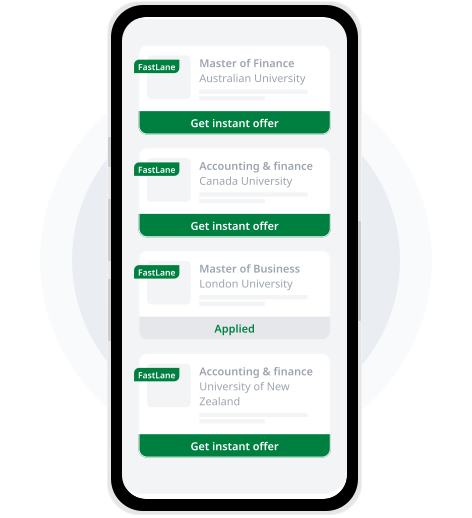
Get an instant in-principle offer for courses with the IDP FastLane tag.
گام 3
Apply through IDP Live
Fill out the form once and use it to apply to multiple courses.
اپلیکیشن فست لین IDP چگونه کار می کند؟
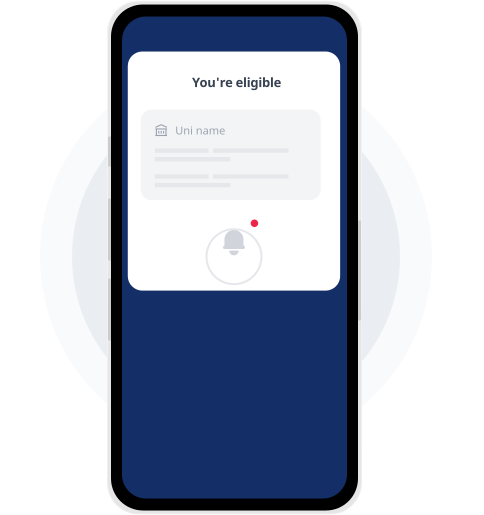
با "پذیرش مشروط" FastLane ظرف چند دقیقه می توانید در مورد پذیرفته شدن تان در دانشگاه با خبر شوید
 1
1یک موسسه یا دوره را انتخاب کنید
 2
2یک پروفایل آکادمیک ایجاد کنید
 3
3درخواست خود را برای "پیشنهاد مشروط" ارسال کنید
 4
4موسسه(ها) مورد نظر تان ظرف مدت چند دقیقه تصمیم خود را به شما اعلام خواهد کرد
 5
5برای درخواست پذیرش با کمک یک مشاور آماده شوید