


المكان
United Kingdom
المؤهل الدراسي
Bachelor of Science (with Honours) - BSc (Hons)
الرسوم
GBP17600
(2026)
المدة
3 Year(s)
موعد بدء الدراسة القادم
21.09.2026
درجة القبول
6
امتحان الآيلتسCOURSE_INFO
- المنح الدراسية عرض جميع المنح الدراسية
- التدريب
رسوم البرامج الدراسية إرشادية فقط ويجب التعامل معها كدليل. للحصول على تكلفة دقيقة
Duration: 3 Year(s)
Fees: GBP17600
| موعد بدء الدراسة | المكان |
|---|---|
| Autumn (September), 2026 | Huddersfield |
متطلبات القبول في University of Huddersfield ISC - Study Group UK
آخر موعد للتقديم
الموعد النهائي لتقديم الطلبات غير متاح تحدث إلى أحد مستشاري آي دي بي لمزيد من المعلومات التفصيلية
Further information
If you aren't eligible for the above entry requirements, you might have a chance to explore pathway options at University of Huddersfield ISC - Study Group UK. If you want to find out more, speak to our counsellors.
آراء طلابنا
لم نتلق أي تقييمات لهذه المؤسسة حتى الآن.
Chat to a student ambassador
Speak to IDP ambassadors today!

Dima Tokarenko

Aastha Paudel

Geraldine Penarete Vaquiro

Yumi Wan
Your study abroad community
Discover genuine experiences and practical tips from IDP student ambassadors and peers worldwide.

مختارة لك
- تصنيف التايمز للجامعات العالمية (THE):129
- Undergraduate
- Southampton , United Kingdom
- موعد بدء الدراسة القادم:21.09.2026
- درجة القبول: امتحان الآيلتس 7
- GBP23400 (2026)
- تصنيف التايمز للجامعات العالمية (THE):401
- Undergraduate
- Dorset , United Kingdom
- موعد بدء الدراسة القادم:21.09.2026
- درجة القبول: امتحان الآيلتس 6
- GBP18800 (2026)
- تصنيف التايمز للجامعات العالمية (THE):501
- Undergraduate
- Bradford , United Kingdom
- موعد بدء الدراسة القادم:14.09.2026
- درجة القبول: امتحان الآيلتس 7
- GBP24130 (2026)
- تصنيف التايمز للجامعات العالمية (THE):501
- Undergraduate
- Huddersfield , United Kingdom
- موعد بدء الدراسة القادم:21.09.2026
- درجة القبول: امتحان الآيلتس 6.5
- GBP18700 (2026)
- تصنيف التايمز للجامعات العالمية (THE):601
- Undergraduate
- Londonderry , United Kingdom
- موعد بدء الدراسة القادم:21.09.2026
- درجة القبول: امتحان الآيلتس 7
- GBP16320 (2026)
- تصنيف التايمز للجامعات العالمية (THE):601
- Undergraduate
- London , United Kingdom
- موعد بدء الدراسة القادم:14.09.2026
- درجة القبول: امتحان الآيلتس 7
- GBP17600 (2026)
- تصنيف التايمز للجامعات العالمية (THE):601
- Undergraduate
- London , United Kingdom
- موعد بدء الدراسة القادم:14.09.2026
- درجة القبول: امتحان الآيلتس 7
- GBP17600 (2026)
- تصنيف التايمز للجامعات العالمية (THE):801
- Undergraduate
- Sheffield , United Kingdom
- موعد بدء الدراسة القادم:14.09.2026
- درجة القبول: امتحان الآيلتس 6.5
- GBP16655 (2026)
- تصنيف التايمز للجامعات العالمية (THE):801
- Undergraduate
- Leeds , United Kingdom
- موعد بدء الدراسة القادم:21.09.2026
- درجة القبول: امتحان الآيلتس 7
- GBP16000 (2026)
- تصنيف التايمز للجامعات العالمية (THE):801
- Undergraduate
- Wolverhampton , United Kingdom
- موعد بدء الدراسة القادم:03.09.2026
- درجة القبول: امتحان الآيلتس 7
Your action plan
خطوة 1
Shortlist your courses
Choose the best three courses you’re most likely to pursue.
خطوة 2
Check your eligibility
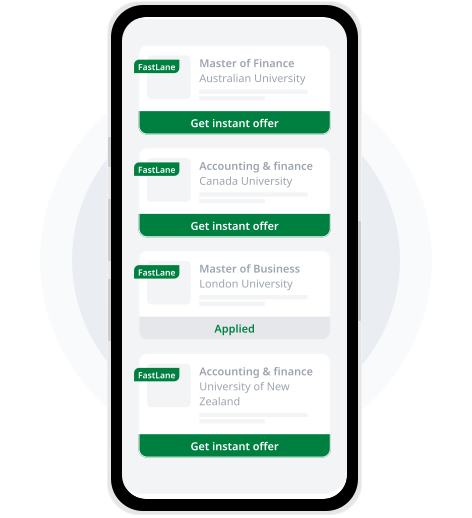
Get an instant in-principle offer for courses with the IDP FastLane tag.
خطوة 3
Apply through IDP Live
Fill out the form once and use it to apply to multiple courses.
كيف تعمل خاصية FastLane بواسطة آي دي بي؟
مع "العرض المبدأي" من FastLane، ستعرف في دقائق إذا ما تم قبولك!
 1
1اختر المؤسسة والبرنامج الدراسي
 2
2أنشئ ملفك الأكاديمي
 3
3قدم طلبك للحصول على "عرض مبدأي"
 4
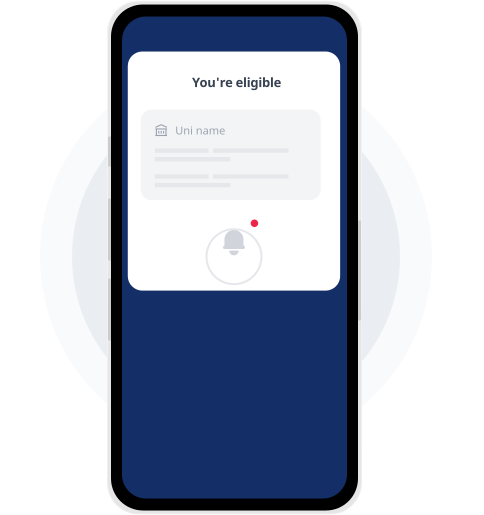
4ستصلك القرارات من المؤسسة (المؤسسات) التي اخترتها في دقائق!
 5
5استعد لتقديم طلبك مع مستشار تعليمي متخصص