

地點
United States
資格
Bachelor's Degrees
費用
USD21172
(2026)
時長
8 Semester(s)
下個學年
24.08.2026
入學成績
5.5
IELTS考試COURSE_INFO
Chat to a student ambassador
Speak to IDP ambassadors today!

Dima Tokarenko
Academic Studies in Education

Aastha Paudel
Information Technology
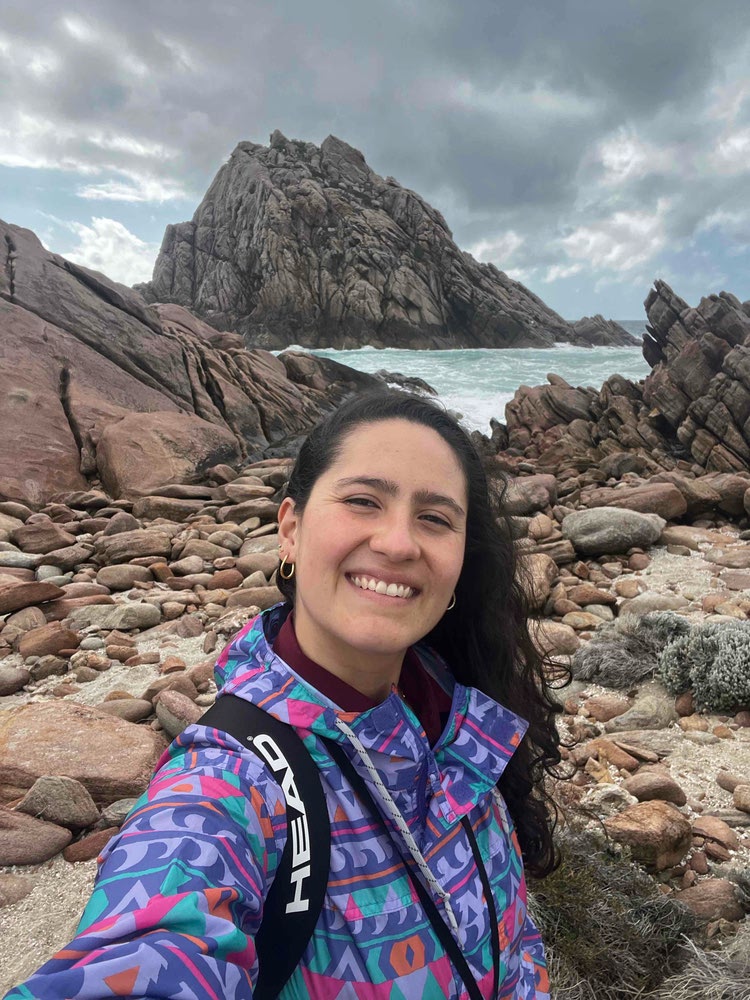
Geraldine Penarete Vaquiro
Geology

Yumi Wan
Physiotherapy (Honours)
Your study abroad community
Discover genuine experiences and practical tips from IDP student ambassadors and peers worldwide.

Your action plan
步驟 1
Shortlist your courses
Choose the best three courses you’re most likely to pursue.
步驟 2
Check your eligibility
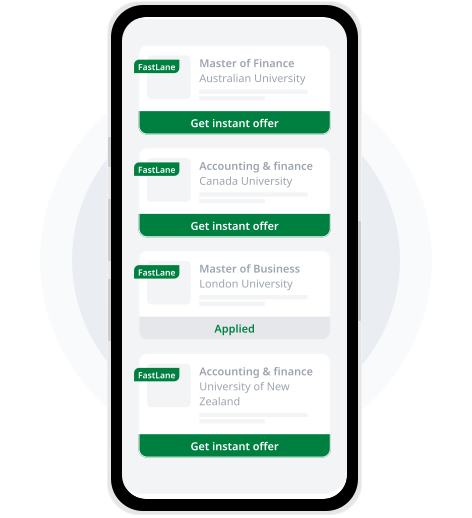
Get an instant in-principle offer for courses with the IDP FastLane tag.
步驟 3
Apply through IDP Live
Fill out the form once and use it to apply to multiple courses.